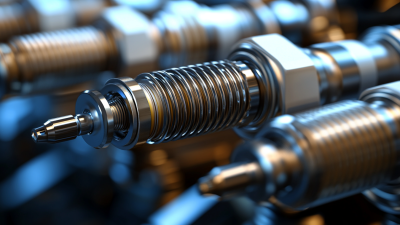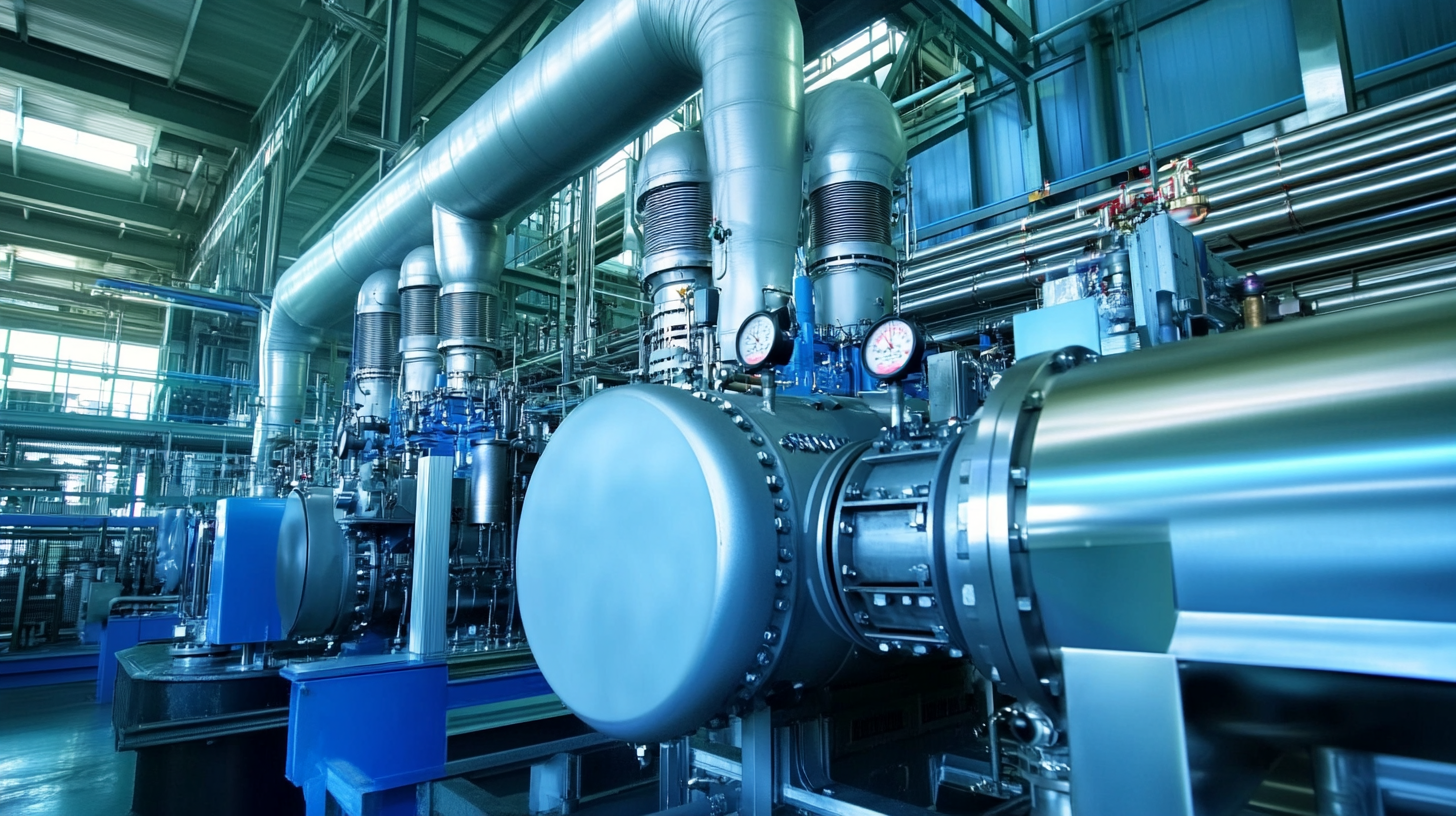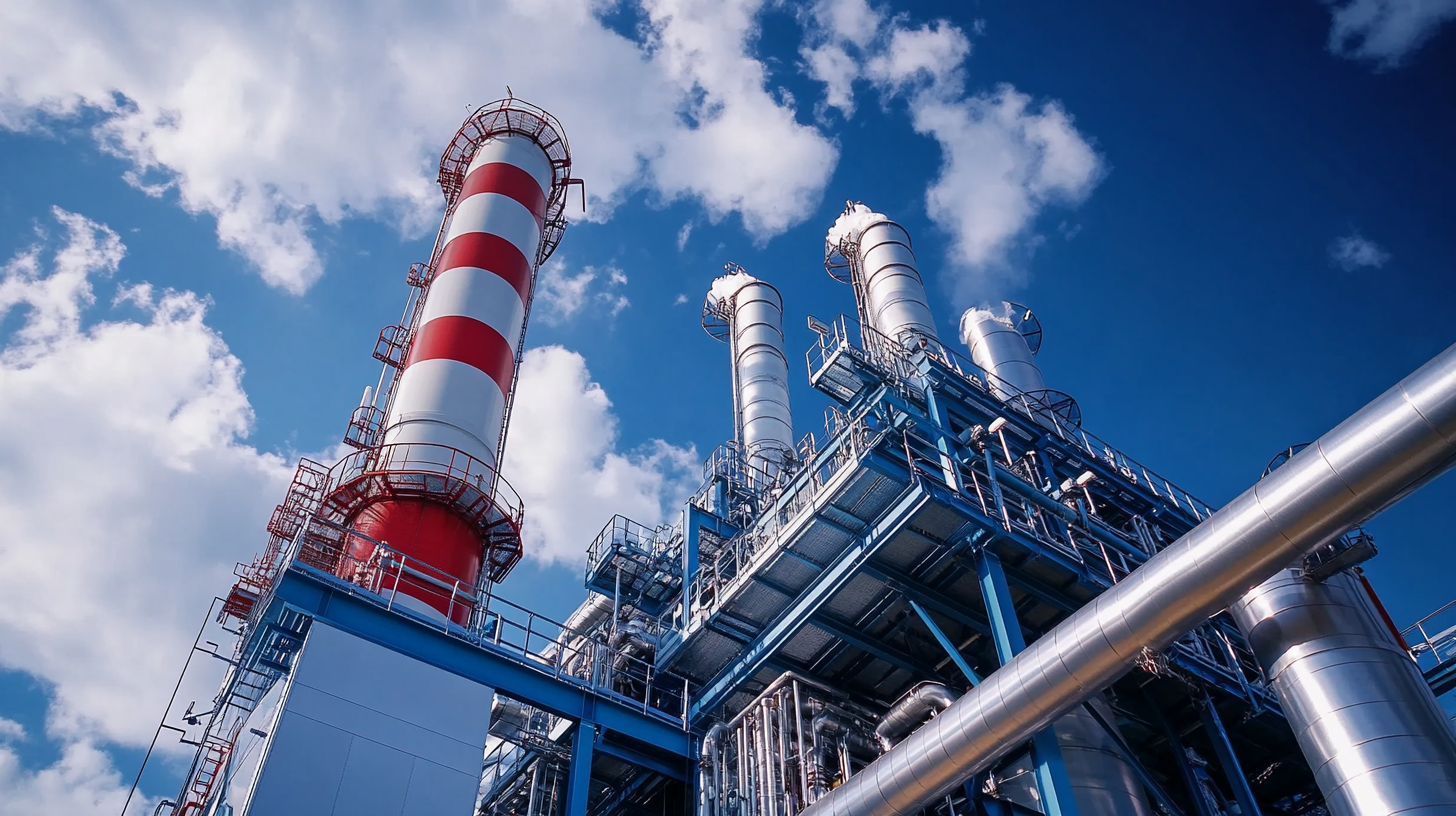
You know, there's been this really cool global trend towards finding better energy solutions, and it's made Cogeneration Plants super important. They’re fantastic at cutting down energy costs and reducing our environmental footprint. A recent report from the International Energy Agency (IEA) even says that cogeneration can boost energy efficiency by a whopping 80%! That’s why it’s such a big deal in today’s energy landscape. Now, over at TECHIE Inc., we’re all about improving the performance of stationary gas engines, and we’ve got some pretty neat ignition systems that are key for these plants to run smoothly. We cover over 95% of various gas engines, including big names like GE Jenbacher and MWM. But we don’t just stop at the products; we're passionate about after-sales service and keeping maintenance costs down. With the right service strategies, operators can really lengthen the lifespan of their cogeneration systems, making sure they run at peak efficiency and reliability. So, in this blog, we’ll dive into some of the best tricks for building effective cogeneration plants around the world, while shining a light on how crucial solid ignition systems and good maintenance practices are.

You know, when it comes to modern cogeneration plants, having some innovative design strategies is just crucial if we really want to maximize efficiency and sustainability. One really cool way to do this is by integrating advanced energy management systems that use real-time data analytics. This tech helps to optimize energy output and, hey, reduce waste too! With IoT technology in the mix, these systems can keep an eye on performance metrics all the time, which means operators can make quick tweaks to how things run and boost the overall efficiency of the plant.
And there’s another game-changer: modular designs. They make it so much easier for cogeneration plants to scale up or down based on energy needs, without all that annoying downtime or the hefty costs of retrofitting. Plus, when you throw renewable sources like biomass or solar thermal into the cogeneration cycle, you can really kick energy efficiency up a notch while also cutting down on carbon emissions. Oh, and let's not forget about thermal energy storage solutions. They do a fantastic job at balancing energy supply and demand, making sure that everything runs smoothly and that we’re moving towards a greener energy mix.
You know, bringing in advanced tech to cogeneration plants is really key if we want to make the most out of energy efficiency. With everyone pushing for more sustainable energy solutions these days, it just makes sense to embrace these cutting-edge technologies. Think about it: when we use smart sensors and IoT devices, we can keep an eye on things in real time and tweak the energy output as needed. This kind of dynamic adjustment based on demand and how everything’s running? It not only cuts down on waste but also helps our equipment last longer thanks to some smart predictive maintenance.
You know, when it comes to sustainable fuel options, they've become super important for making cogeneration plants greener, especially with the way global energy needs and environmental issues are ramping up. A report from the International Energy Agency (IEA) points out that using renewable fuels in cogeneration systems can actually slash greenhouse gas emissions by as much as 70% compared to the good old fossil fuels. It's pretty cool that cogeneration facilities can use stuff like biogas, which comes from organic waste. Not only does that cut down on carbon footprints, but it also fits really well into the whole idea of a circular economy. It's amazing how waste management and energy production can work together like that.
At TECHIE Inc., we totally get how vital it is to fine-tune ignition systems for stationary gas engines to back up these sustainable initiatives. Our ignition systems are compatible with over 95% of different gas engines, including those from big names like GE Jenbacher and CAT. By providing solid ignition and great fuel efficiency, we're here to help cogeneration plants crank up their output while keeping emissions in check. As the industry leans more towards eco-friendly technologies, picking high-quality components—like our ignition systems—can really boost the performance and sustainability of cogeneration setups. It's all about paving the way for a greener, more energy-efficient future!
| Strategy | Sustainable Fuel Choice | Efficiency Improvement (%) | Environmental Impact (CO2 Reduction, kg/kWh) | Implementation Cost (USD million) |
|---|---|---|---|---|
| Utilizing Biomass | Wood Pellets | 15 | 0.25 | 5 |
| Waste Heat Recovery | Natural Gas | 20 | 0.40 | 8 |
| Integration of CHP | Biogas | 18 | 0.35 | 10 |
| Enhanced Control Systems | Hydrogen | 25 | 0.50 | 12 |
| Grid Connectivity Enhancements | Renewable Diesel | 22 | 0.30 | 15 |
If you want to keep things running smoothly in cogeneration plants, operators really need to pay attention to a few key strategies that boost both efficiency and reliability. You know, sticking to regular maintenance schedules is super important because it helps spot potential problems before they turn into bigger hassles. Using techniques like vibration analysis and thermal imaging for predictive maintenance can be a game-changer. It gives you a heads-up about the machinery's health, so you can anticipate failures, which in turn cuts down on downtime and costly repairs.
And let’s not forget about energy management systems (EMS) – they’re a big deal for optimizing performance in cogeneration. By keeping an eye on energy production and consumption, these systems offer real-time data that makes it easier to make smart decisions. This info lets operators tweak operational parameters to ensure that energy output is in sync with demand, all while reducing waste. Plus, it's vital to train your staff on the latest protocols and technologies! It’s just as important to keep everyone up-to-date, so they can confidently handle the complexities that come with cogeneration systems. Investing in continuous education and development really boosts the team’s ability to run the plant efficiently, you know?
You know, when we talk about how regulations and incentives change over time, it really impacts how cogeneration systems develop around the globe. Over the last twenty years or so, countries have been waking up to the fact that Combined Heat And Power (CHP) technologies can really boost energy efficiency and cut down on greenhouse gas emissions. Take Spain, for example. If you look at the solar power scene from 1998 to 2020, it’s pretty clear that having the right regulations in place has done wonders for the growth of renewable energy sources, cogeneration included. This kind of regulatory support makes it way easier for investors and developers to dive in and fund new tech without worrying too much.
And let’s not forget about places like Singapore, where successful cogeneration plants show us how tailoring strategies to fit local needs can really pay off, especially with the right policies. They’ve even integrated biomass-fueled systems, which is a cool mix of sustainable practices and innovative tech that fits their unique environmental challenges. With smart incentives, governments can really ramp up investment in clean energy solutions, helping not just cogeneration but also pushing for a bigger shift toward sustainable energy generation overall.
: Innovative design approaches include the integration of advanced energy management systems, modular designs for scalability and flexibility, the incorporation of renewable energy sources, and the use of thermal energy storage solutions to enhance efficiency and sustainability.
These systems utilize real-time data analytics to optimize energy output, reduce waste, and monitor performance metrics continuously, allowing for quick adjustments to improve overall plant efficiency.
IoT technology facilitates real-time monitoring and optimization of energy output, enabling operators to adjust processes dynamically based on demand and operational conditions, thereby minimizing waste and enhancing equipment lifespan.
Modular designs allow cogeneration plants to adapt easily to varying energy demands without extensive downtime or costly retrofits, providing flexibility and scalability.
Integrating renewable energy sources such as biomass or solar thermal enhances the efficiency of cogeneration systems by reducing carbon emissions and improving energy production rates.
Thermal energy storage solutions help balance energy supply and demand effectively, ensuring reliable operation and promoting a greener energy mix while utilizing energy during peak consumption periods.
Smart sensors enable real-time monitoring and provide data for predictive maintenance strategies, which minimizes waste and extends the lifespan of equipment.
Adopting cutting-edge technologies is crucial for maximizing energy efficiency, enhancing system performance, and supporting the transition to more sustainable energy solutions.
Hybrid systems, which combine traditional fuels with renewable energy sources, can drastically reduce carbon emissions while enhancing overall energy production rates.
By embracing advanced technologies, cogeneration plants can lead the charge towards a more sustainable and energy-efficient future on a global scale.