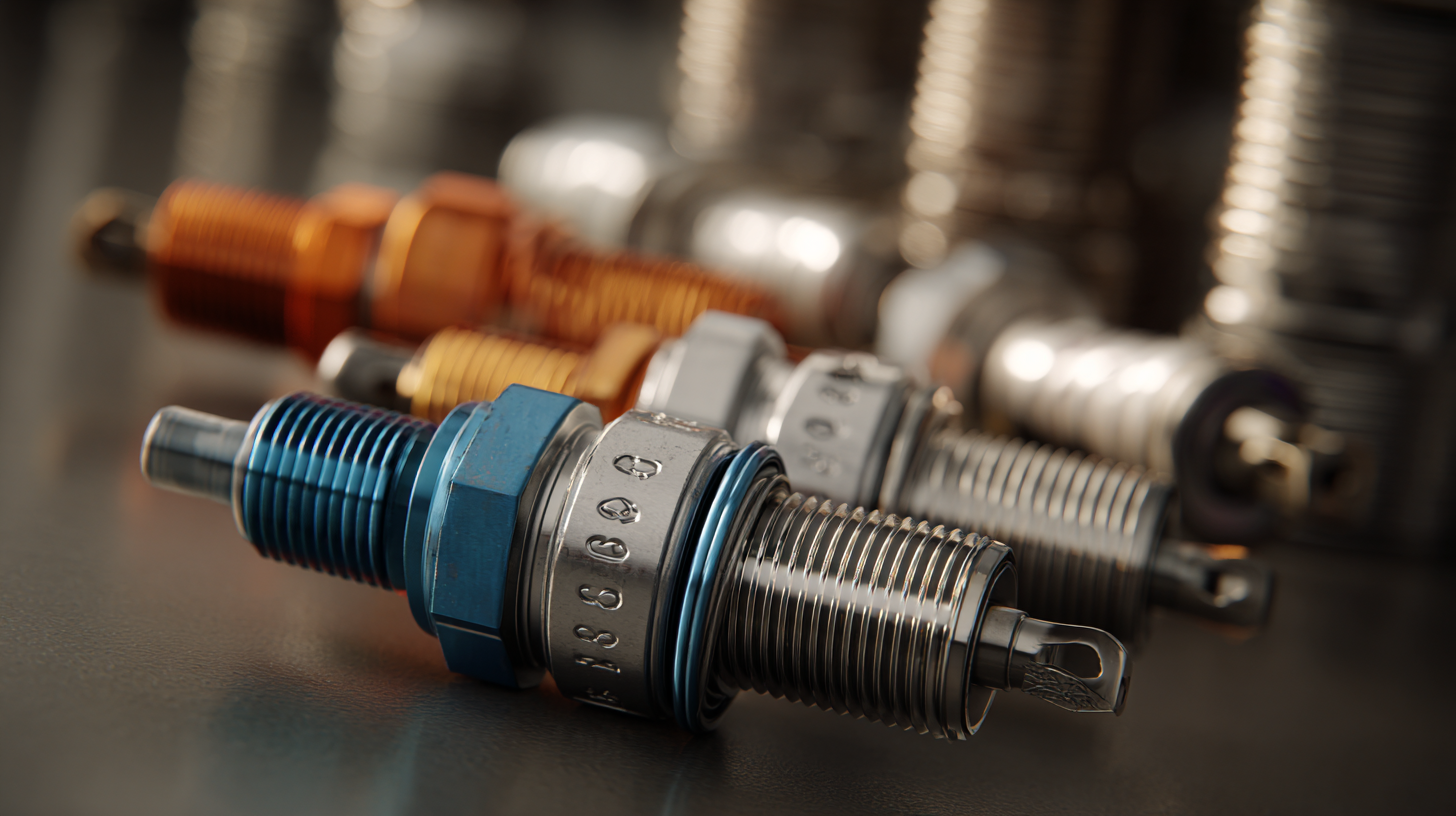
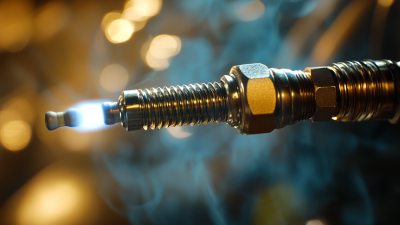
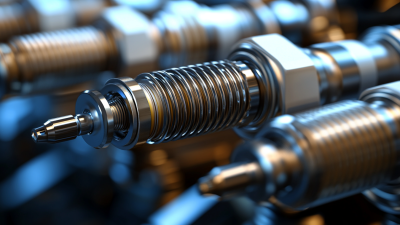
When it comes to ignition systems for stationary gas engines, picking the right components can really make a difference in how well everything runs—and how efficient it is. One key part you definitely don’t want to overlook is the Prechamber Spark Plug. Think of it as the spark that kicks off the whole combustion process, especially in engines from brands like GE Jenbacher, MWM, and CAT.
At TECHIE Inc., we pride ourselves on offering a wide range of ignition systems—covering over 95% of what the market needs. That way, our customers get access to cutting-edge tech that's perfectly suited for their specific engines. In this post, we’re going to compare different types of Prechamber Spark Plugs, talk about how they perform, and share some top tips to help you pick the best one for your engine.
Stick around as we dive into the details of how these spark plugs work and how they help keep your gas engines running longer, more efficiently, and smoothly.
Understanding the Basics of Prechamber Spark Plugs
So, prechamber spark plugs are pretty much a game-changer when it comes to engine tech, especially if you’re into making engines run more efficiently. Basically, they introduce this small extra chamber right next to the main combustion chamber. That's where the magic starts—an initial spark ignites the fuel-air mixture in a controlled way before it hits the main chamber. The cool part? This setup helps the engine run leaner, meaning it uses fuel more efficiently and emits fewer pollutants—especially when you're not pushing the engine hard, like at part load.
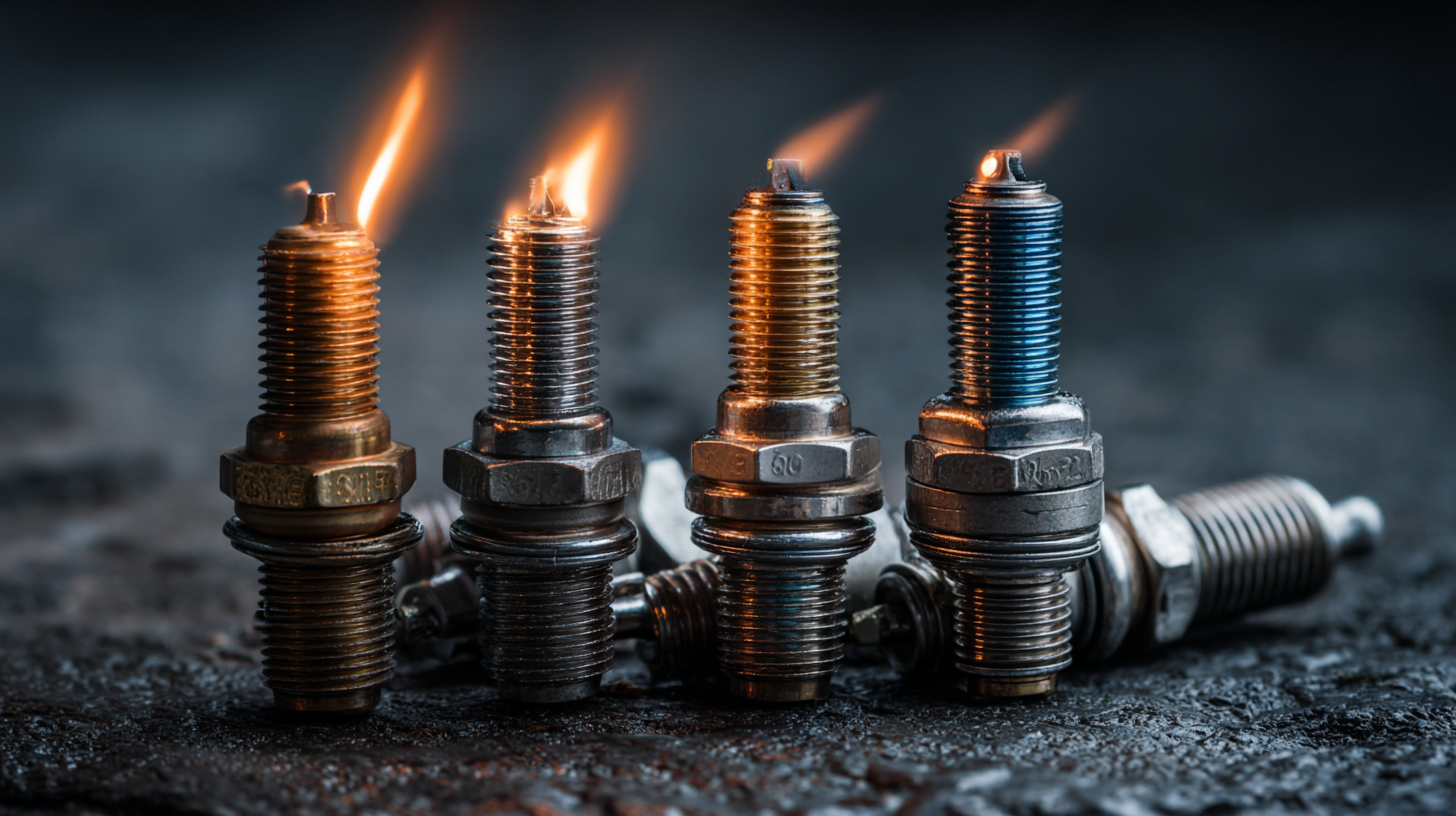
What’s really happening here is that the rapid flame spreads inside that tiny prechamber, kicking off a better and more complete combustion process. This improves engine performance across a variety of load conditions. Lately, a lot of research has been digging into computational fluid dynamics (CFD) to tweak the shape and design of these prechambers—trying to make ignition even better and boost overall efficiency. By refining how these prechambers are built, engineers are pushing the limits of what this technology can do, which means cleaner, more fuel-efficient engines in the future.
Types of Prechamber Spark Plugs: Features and Benefits
Lately, you might’ve noticed that prechamber spark plugs are really gaining popularity in modern engine setups. They’re praised for helping engines run more efficiently and boost overall performance. What’s pretty interesting is that these spark plugs have a unique design—kind of like a tiny chamber that really helps prep the fuel-air mixture better. I came across a report from the Society of Automotive Engineers (SAE), and it mentioned that engines using prechamber plugs can be up to 10% more efficient thermally than those with regular spark plugs. Not only does that mean more power, but it also helps cut down emissions, which is great with all the tough environmental rules these days.
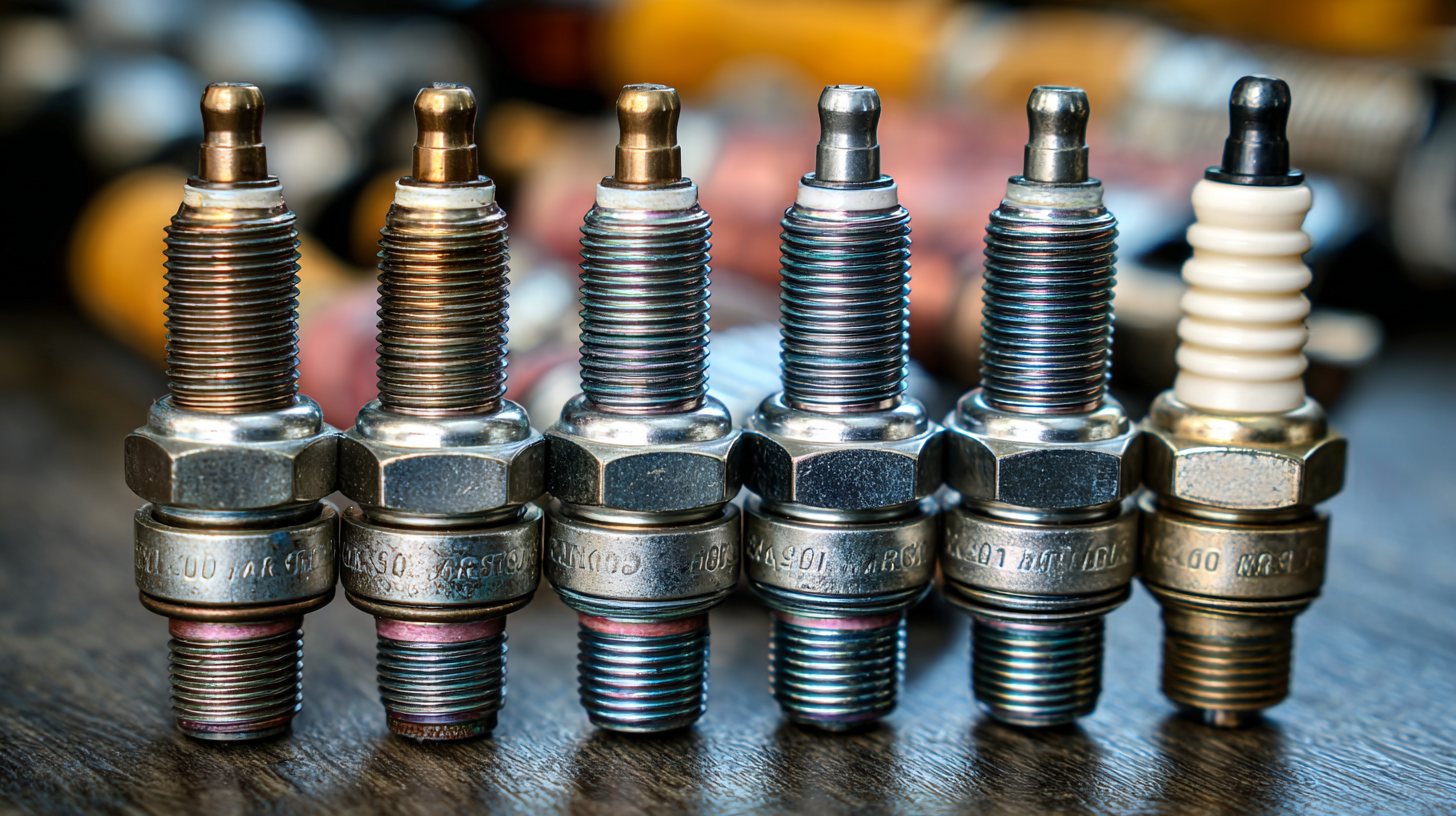
There are a few different types of prechamber spark plugs out there, each with its own perks. For example, some have a larger prechamber volume, which promotes better turbulence during combustion. That’s actually pretty helpful because it stabilizes the flame front and makes the combustion process more reliable, especially when the engine’s under different loads. Industry data also suggests that cars using these smarter plugs tend to misfire less often—some studies say up to 30% fewer misfires. Plus, the materials used in these plugs—like ceramics or advanced metals—make them more durable, so they last longer and don’t need to be replaced as often. All of this helps keep your engine running smoothly and more reliably overall.
Performance Comparison: Conventional vs. Prechamber Spark Plugs
When it comes to evaluating ignition systems for stationary gas engines, one of the key things to look at is the type of spark plug used. Traditionally, conventional spark plugs have been the go-to choice—they’re reliable and have served the industry well for quite a while. But lately, prechamber spark plugs have been gaining some serious attention, especially for situations where you want better efficiency and top-notch performance. Compared to the regular ones, prechamber spark plugs help improve how the fuel and air mix together, which means cleaner, more complete combustion and fewer emissions. That’s a big plus for operators who want their engines to run smoother while also keeping emissions in check, especially with the stricter rules out there these days.
Here at TECHIE Inc., we focus on ignition systems for a wide range of gas engines—think GE Jenbacher, MWM, and CAT—and we’ve got coverage on over 95% of different models. We’re all about pushing the boundaries with quality and innovation, so we offer full support for both conventional and prechamber spark plugs. By understanding the pros and cons of each, our customers can choose what's best for their specific operations. Whether you're thinking about switching to prechamber spark plugs for better performance or just sticking with the familiar conventional ones, we’re here to provide all the solutions you need—spare parts, advice, and extra support—everything in one place.
A Comprehensive Comparison of Prechamber Spark Plug Types and Their Performance
Factors Influencing Prechamber Spark Plug Efficiency
When you're trying to figure out how well prechamber spark plugs work, a few key things come into play. One of the main factors is the design and shape of the prechamber itself—kind of like how the little details can make a big difference. A study from 2021 in the *International Journal of Automotive Engineering* mentioned that if you tweak the prechamber to be more efficient, you can boost combustion efficiency by up to 15%. That's mostly because of better fuel atomization and smoother gas flow during ignition. With a smarter design, the engine burns more completely, which not only reduces emissions but also makes the engine run better overall.
Then there’s the material and build of the spark plug itself. Newer materials like iridium and platinum have really stepped up the game—they help conduct heat better and last longer. This means more reliable sparks, even when the engine's working hard or under different conditions. According to a 2022 report by the Society of Automotive Engineers, cars with high-quality prechamber spark plugs show about 10% more horsepower compared to the standard ones. That small bump in performance can be a big deal, especially in high-performance cars where every little bit of efficiency counts towards better handling and speed.
Installation and Maintenance Tips for Prechamber Spark Plugs
When it comes to prechamber spark plugs, getting them installed and maintained just right is super important if you want everything to run smoothly. These special spark plugs are built to boost how well your engine combusts fuel and to cut down on emissions – no wonder they're a hit with high-performance engines. When you're installing them, make sure to follow the manufacturer's instructions carefully. Don’t forget to tighten them to the right torque—over-tightening can cause damage, and always toss in a new gasket to get that perfect seal. It’s a small step that really pays off.
Also, keeping up with regular maintenance can really make these plugs last longer. It’s a good idea to check for any signs of wear, like deposits or erosion—doing this early can help catch engine hiccups before they become big problems. And every now and then, give the plugs a quick clean with a suitable cleaner to get rid of carbon buildup that might slow things down. If you follow these tips for installation and maintenance, your prechamber spark plugs will keep your engine running reliably and efficiently, supporting all those advanced tech features under the hood.
A Comprehensive Comparison of Prechamber Spark Plug Types and Their Performance
| Spark Plug Type | Performance Rating (1-10) | Installation Difficulty (1-5) | Maintenance Frequency (Months) | Common Applications |
| Standard Prechamber | 7 | 3 | 12 | General Motors |
| Iridium Prechamber | 9 | 4 | 24 | High-Performance Vehicles |
| Platinum Prechamber | 8 | 3 | 18 | Luxury Cars |
| Copper Prechamber | 6 | 2 | 6 | Older Models |
| Racing Prechamber | 10 | 5 | 3 | Race Cars |
Future Trends in Prechamber Spark Plug Technology
You know, the world of prechamber spark plug tech is really speeding up. More and more car makers are jumping on this bandwagon, using it to boost engine performance and make things more efficient. Originally, prechamber ignition systems were mostly a thing in diesel engines, but now, they’re making their way into modern gas engines too. The results? Faster combustion and cleaner emissions, which is pretty awesome. It’s exciting because this tech not only helps save fuel but also works really well with today’s strict environmental rules.
Big car companies are seriously looking into these advances, dreaming up ways to include them in future models. They’re even adapting some F1-inspired prechamber methods—kind of like bringing race car tech into daily driving—to give us that high-performance feel without sacrificing reliability or going overboard on emissions. As the industry aims to go greener, these super-efficient ignition systems are likely to change the game when it comes to how internal combustion engines work. Honestly, it feels like we’re on the brink of a whole new chapter in automotive innovation, and I can’t wait to see where it all goes!
FAQS
: Conventional spark plugs are the industry standard offering reliable ignitions, while prechamber spark plugs improve fuel-air mixing, leading to more complete combustion and reduced emissions.
They enhance engine efficiency and performance, making them particularly suitable for applications that require better combustion and lower emissions, which is essential for meeting stringent regulations.
Key factors include the design and geometry of the prechamber, spark plug material and construction, which impact fuel atomization, gas dynamics, and ignition reliability.
An optimized prechamber design can enhance combustion efficiency by up to 15%, as indicated in a 2021 study.
Recent advancements, particularly the use of iridium and platinum materials, improve thermal conductivity and durability, ensuring reliable ignition under various conditions.
Engines equipped with high-quality prechamber spark plugs can see a 10% increase in horsepower compared to those using standard plugs.
TECHIE Inc. specializes in ignition systems for gas engines including GE Jenbacher, MWM, and CAT, ensuring over 95% model coverage.
Customers should understand the unique benefits of each type to make informed decisions tailored to their operational needs for performance and emissions compliance.
TECHIE Inc. offers comprehensive support for both conventional and prechamber spark plugs, facilitating one-stop solutions for ignition system and spare parts requirements.
Yes, prechamber spark plugs help achieve more complete combustion and reduced emissions, making them appealing for operators seeking to meet increasingly stringent emissions regulations.
Conclusion
When it comes to ignition systems, prechamber spark plugs are honestly a pretty clever solution. They really boost performance, especially in stationary gas engines. Getting a good grasp of how these plugs are designed and how they work is key—because it helps you understand how they stack up against your regular old spark plugs. In this blog, we’ll take a look at different types of prechamber spark plugs, pointing out how efficient and effective they are, especially in engines like GE Jenbacher and MWM. And of course, TECHIE Inc. offers complete ignition solutions tailored for these engines.
We’ll also chat about why prechamber spark plugs can give you performance perks, what factors might influence how well they work, and some handy tips for installation and upkeep. As technology moves forward, it’s exciting to see how prechamber spark plug designs keep evolving—suggesting they’ll be a super important part of ignition systems down the line. Plus, with TECHIE’s focus on quality and customer service, you can count on top-notch performance from your gas engine ignition setup.
All in all, it’s clear that prechamber spark plugs are a game-changer in the world of stationary gas engines, and staying on top of these advances definitely pays off.